



Description
All 6 lessons are complete — choose the metric unit that best fits what we are measuring, convert a larger metric unit into a smaller one, compare the size of angles by matching them directly, learning how a protractor works and how to read it correctly, learning how a parallelogram's area connects to a rectangle's area, and learning that shapes with the same area can have different perimeters.
Every lesson comes with a full teaching set: a lesson plan, a worksheet, homework, and a handout. The unit also includes 6 exit cards, 2 quizzes, a project, and an assignment.

Grade 5 · ready for Monday
What's in this unit
-
1

Plan
6 lesson plans, each one 40-minute period, with what to say and what to watch for.
-
2
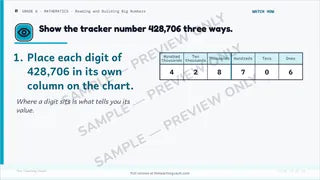
Slides
The lesson on the board, one step at a time, with each answer on the next slide.
-
3

Printouts
A worksheet, a handout and homework for every lesson.
-
4

Assessment
6 exit cards, 2 quizzes, a project, an assignment.
-
5
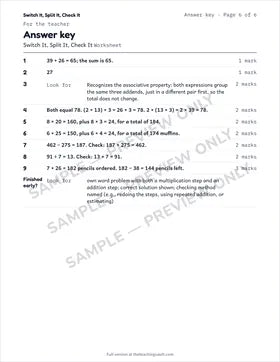
Answer keys
At the back of every worksheet, homework and assessment.


The 6 lessons
- 1
 Which Unit Fits? Choosing Metric Unitschoose the metric unit that best fits what we are measuring and explain why one unit fits a job better than another
 - 2Bigger to Smaller: Converting Metric Unitsconvert a larger metric unit into a smaller one and describe the base ten pattern that connects metric units
- 3Comparing Angles with Everyday Unitscompare the size of angles by matching them directly and measure angles using a non-standard unit we build ourselves
- 4Reading the Protractor: Measuring and Making Angleslearning how a protractor works and how to read it correctly and measure and construct angles using a protractor
- 5From Rectangles to Triangles: Building Area Formulaslearning how a parallelogram's area connects to a rectangle's area and learning how a triangle's area connects to a parallelogram's area
- 6Same Area, Different Perimeterlearning that shapes with the same area can have different perimeters and solve problems that compare area and perimeter

- Read-Me-First — open it before anything else; one page that says what each file is for
- One numbered zip per lesson: lesson plan, worksheet, homework, handout and a one-page lesson read-me
- A zip for the 6 exit cards; a zip for the assessments: 2 quizzes, a project, and an assignment
- Every file as a print-ready PDF and an editable Word document; the lesson plan also as a PowerPoint deck to project
In every lesson
- Lesson plan
- Worksheet
- Homework
- Handout
For the whole unit
- 6 exit cards
- 2 quizzes
- A project
- An assignment
- Every format included — PDF, DOCX & PPTX
- Which Unit Fits? Choosing Metric Units
- Bigger to Smaller: Converting Metric Units
- Comparing Angles with Everyday Units
- Reading the Protractor: Measuring and Making Angles
- From Rectangles to Triangles: Building Area Formulas
- Same Area, Different Perimeter
- Each lesson fits one 40-minute period; the plan is written for a substitute to teach cold
- Prints cleanly in black and white; nothing depends on colour
- Answer keys on the teacher pages at the end of every worksheet, homework and assessment
- In My files right away, and by email.
- Zips open on any computer; on a phone, save them to Files or Drive first
- Licensed to one teacher for one classroom — not for sharing with colleagues or your school. Full licence terms
- Digital files are final sale; if something is wrong with a file we'll fix it
- Questions: support@theteachingvault.com
Reviews
You may also like


Mathematics
Grade 5 Geometric and Spatial Reasoning — Full Unit Try Lesson 1 free5 lessons

Mathematics
Grade 6 Geometric and Spatial Reasoning — Full Unit Try Lesson 1 free4 lessons
